
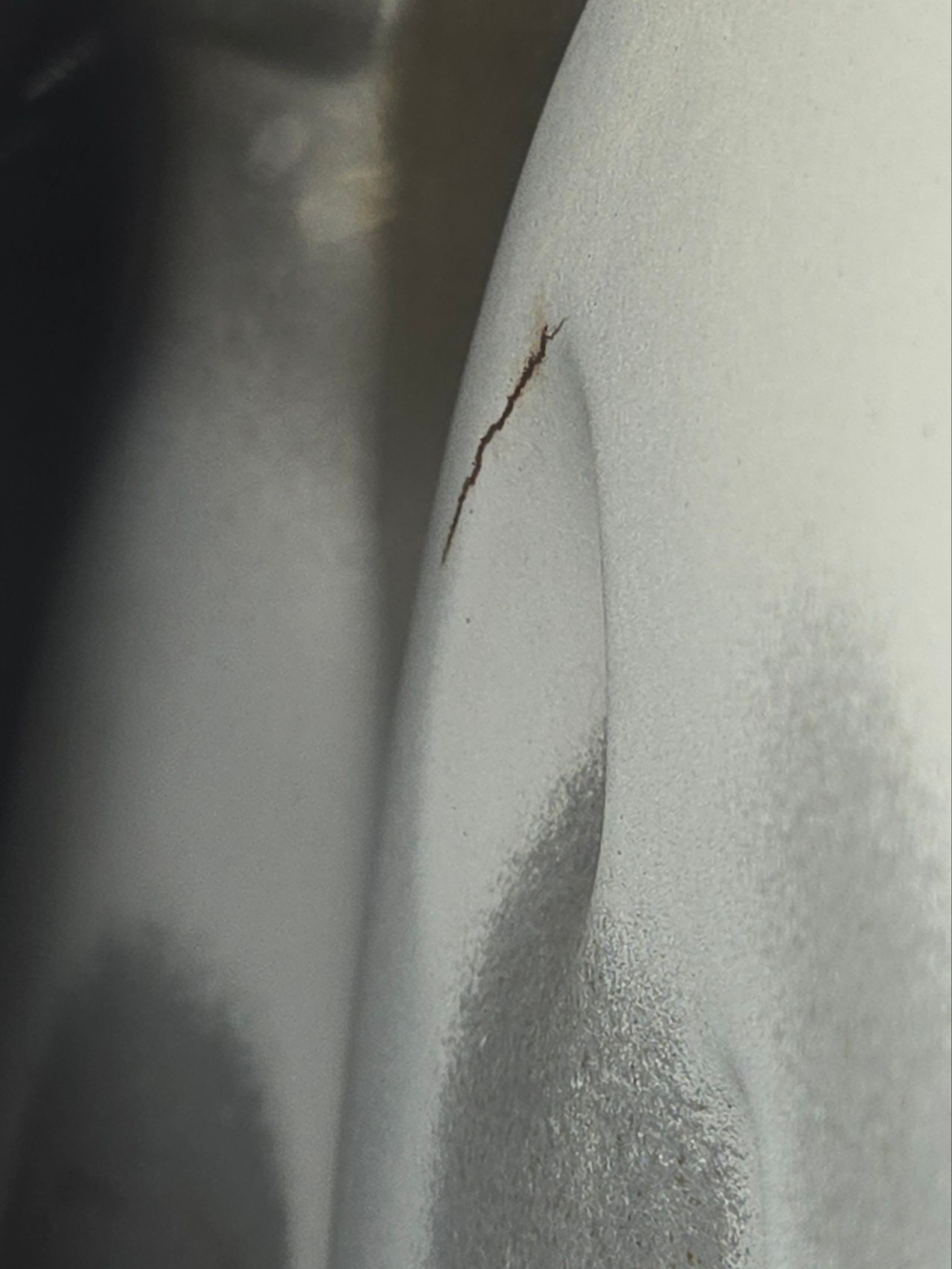
The heat exchanger is the heart of a gas furnace. Its job is simple but critical:
When a heat exchanger fails, it becomes a safety issue, not just a comfort issue. A confirmed crack or separation can allow combustion byproducts — including carbon monoxide — to mix with household air.
That’s why legitimate heat exchanger failures are taken seriously by responsible HVAC companies.
A real heat exchanger inspection is not a five-minute flashlight check followed by a sales pitch.
Proper diagnosis may include:
In many cases, multiple indicators must line up before a crack is confirmed.
👉 A single photo, vague description, or “it looks suspicious” is not enough to condemn a furnace.
Unfortunately, some HVAC companies — especially high-pressure, commission-driven operations — use heat exchanger claims as a shortcut to selling new systems.
Here’s how it typically happens:
In many second-opinion calls we respond to, no crack is found at all — or the issue turns out to be something else entirely, such as airflow problems, sensor issues, or normal wear patterns mistaken for failure.
Let’s be very clear:
A responsible HVAC contractor will explain what they found, how they tested it, and why replacement is recommended — not rush you into a decision.
If a heat exchanger crack is confirmed, replacement is often the correct and safest solution — especially when:
In those cases, fast, professional furnace replacement restores safe heating and peace of mind. We regularly complete emergency replacements efficiently because no one should be without heat — or feel unsafe — in their own home.
Heat exchanger claims should never be questioned emotionally — only technically.
Getting a second opinion doesn’t mean ignoring safety. It means confirming it.
A legitimate contractor will welcome scrutiny, explain findings clearly, and document results. If a company refuses to explain, pressures you, or won’t show evidence, that’s a red flag.
We believe trust is built through transparency.
When we inspect a furnace, we focus on:
Our goal is not to sell equipment — it’s to keep homes safe, comfortable, and informed.
Heat exchangers are serious business — but fear should never be the sales tool.
Understanding how furnace inspections work, what real failures look like, and how scams happen puts homeowners back in control. Whether your furnace needs repair, replacement, or just an honest inspection, facts matter more than pressure.
If something doesn’t feel right, trust your instincts and seek a qualified second opinion.