
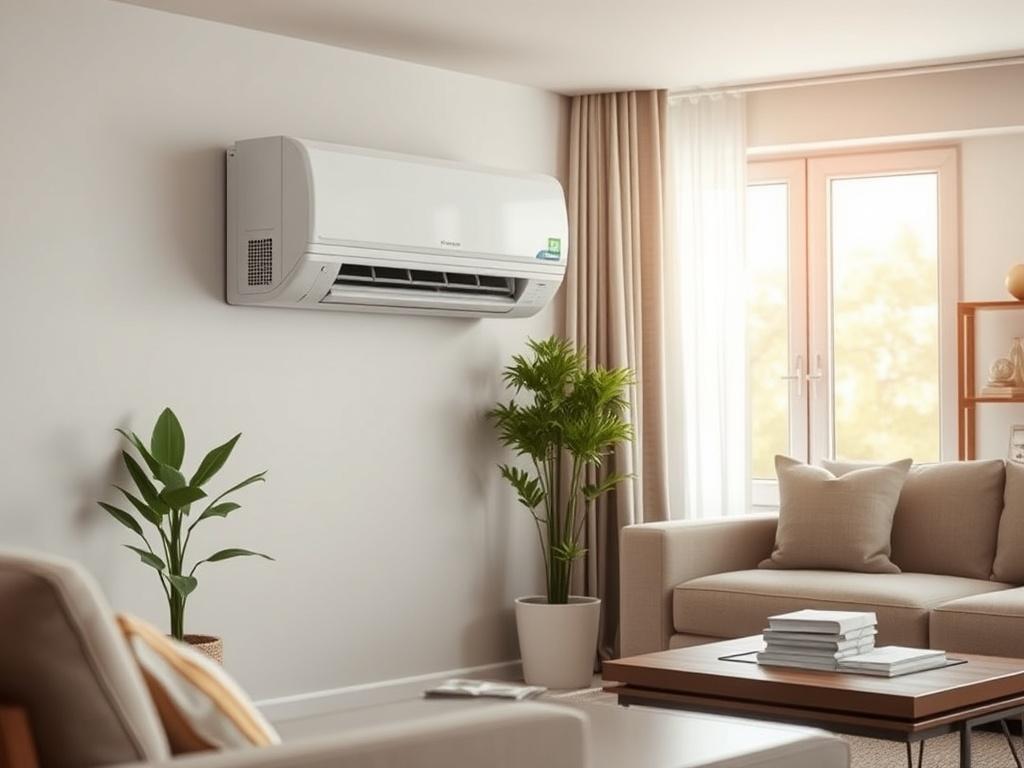
Replacing your air conditioner is a major home investment, and the price tag can make it tempting to choose the least expensive system available. However, the initial cost is only one part of what you'll pay to cool your home over the unit's lifetime.
An energy efficient air conditioner typically costs more upfront, but lower energy bills and improved performance can offset some of that expense. So, is an energy efficient air conditioner worth it? For many homeowners, the long-term savings and added comfort make a high efficiency system a smart investment.
An energy efficient air conditioner is designed to cool your home while using less electricity. Modern systems use advanced compressors, motors, and controls to maintain comfortable indoor temperatures while consuming less energy than older equipment.
Air conditioner efficiency is commonly measured using the Seasonal Energy Efficiency Ratio 2, or SEER2. A higher SEER2 rating generally means the system can provide more cooling with less energy.
Energy-efficient AC systems may also include features such as:
These features can help reduce energy consumption while creating a more consistent indoor environment.
The upfront cost of an energy-efficient air conditioner depends on your home's size, system efficiency, equipment type, and installation requirements. Higher-efficiency systems generally cost more than standard-efficiency models because they use more advanced technology.
Installation costs can also vary based on your home's existing HVAC setup. Ductwork issues, electrical upgrades, and system sizing requirements may affect the final price.
While a standard system may seem more affordable initially, choosing equipment based solely on the purchase price can overlook years of potential operating costs. Your monthly utility expenses are an important part of the overall cost of owning an air conditioner.
Air conditioning can account for a significant portion of a home's electricity use during warm weather. An older or inefficient system may need to run longer to reach the temperature your thermostat is set to.
A high-efficiency air conditioner uses less energy to provide the cooling your home needs. Over time, that reduced energy consumption may lead to noticeable savings on monthly utility bills.
Your actual energy savings will depend on several factors, including:
Homeowners replacing an older, inefficient air conditioner may see a greater difference in energy use than those replacing a relatively modern system.
Energy savings aren't the only financial consideration when replacing your AC. An older air conditioner may require increasingly frequent repairs as components wear out.
A new energy-efficient system can reduce the likelihood of age-related breakdowns in the first years of ownership. New equipment may also include manufacturer warranty coverage that helps protect against certain unexpected repair costs.
Regular maintenance is still essential. Annual AC maintenance helps technicians identify developing problems, clean critical components, and confirm that the system is operating efficiently.
Proper maintenance can also help protect your investment and support reliable performance throughout the cooling season.
Lower utility bills are often the main reason homeowners consider high efficiency AC systems, but the benefits can extend beyond monthly savings.
Many energy-efficient systems can adjust their cooling output rather than constantly turning on and off at full capacity. This allows the air conditioner to maintain a more consistent temperature throughout your home.
Longer, lower-capacity cooling cycles can help remove more moisture from indoor air. Better humidity control may make your home feel more comfortable without requiring you to lower the thermostat as much.
Modern air conditioning systems are often designed with noise reduction in mind. Variable speed equipment may operate at lower speeds for extended periods, reducing the disruptive sound associated with frequent system cycling.
Using less electricity can reduce your home's overall energy consumption. For homeowners interested in improving household energy efficiency, upgrading an aging AC system can be an important step.
Whether an energy-efficient air conditioner is worth it depends on your home, budget, and cooling needs. Homeowners who plan to stay in their homes for several years may have more time to benefit from ongoing energy savings.
A high-efficiency AC may be worth considering if:
The best choice isn't always the system with the highest efficiency rating. Proper AC sizing and professional installation play a major role in system performance and energy use.
When comparing air conditioners, consider the total cost of ownership rather than focusing solely on installation costs. Think about how much you'll potentially spend on electricity, repairs, and maintenance over the life of the system.
Ask your HVAC professional to explain the expected energy use of different equipment options. You can also compare SEER2 ratings and available efficiency features to determine which system fits your home and budget.
Rebates, incentives, or financing options may also help make energy-efficient equipment more accessible. Availability and eligibility can vary, so it's important to review current programs before making a decision.
If you're wondering whether an energy-efficient air conditioner is worth the investment, we're here to help. Our team can assess your current system, discuss your energy-efficiency goals, and recommend cooling options tailored to your home.
Contact Lashbrook Mechanical today to schedule service or request a free estimate. We'll help you find an efficient, reliable cooling solution that keeps your home comfortable while managing long-term energy costs.